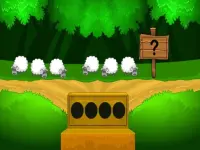
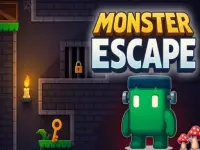
Adventure games focus on exploration and narrative over reflexes. Players often navigate environments to uncover secrets and advance plots. Many titles emphasize inventory puzzles and dialogue choices to solve problems. A popular subgenre is point and click games.
Last Updated:
The Basics: Adventure games
Immediately begin by exploring the environment, interacting with objects, and managing your inventory to solve puzzles.
Gameplay Loop
The core loop involves exploring areas to find items and clues, then using them to bypass obstacles or unlock new locations. Players talk to characters to gather information, which drives the narrative forward and reveals new objectives. This cycle of exploration, interaction, and puzzle solving defines the genre and is central to adventure puzzle games. The progression system in narrative adventure games relies on uncovering story beats through these actions.
Winning Tactics
Remember to examine every object carefully, as details often hide critical clues for later puzzles. Combine items in your inventory creatively, since standard solutions might not always apply to unique situations. Talk to every character multiple times, because dialogue can change after events and reveal new information. Save your progress frequently to avoid losing work when encountering unexpected dead ends or complex sequences.
Common Questions: Adventure
Q: What are the primary controls? A: Typically a mouse or controller to select actions, move a cursor, and interact with the world. Q: What is the main objective? A: The goal is to progress the story by solving puzzles and uncovering narrative elements. Q: Is there combat? A: Combat is not a standard mechanic; focus remains on exploration and intellectual challenges. Q: How does the player progress? A: Progress is made by finding items, using them in the right context, and solving environmental puzzles.