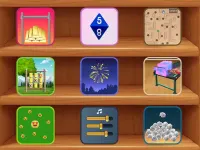
These baby games focus on simple interactions designed for very young players. Often the core activity involves basic object manipulation through mouse clicks or touch. Players will typically drag items, match shapes, or complete simple care routines. The genre prioritizes low-stress environments and clear visual feedback over complex mechanics.
Last Updated:
The Basics: Baby Games games
The player interacts by clicking or tapping to place objects, and by dragging to move items, with the primary goal being to complete basic tasks, and the genre often features animal care games.
Gameplay Loop
Core gameplay revolves around selecting items from a limited inventory and placing them into designated areas to fulfill a simple objective, which requires careful observation of the screen. The player must then execute actions such as dragging ingredients to a bowl or clicking on objects to trigger a reaction, creating a repetitive cycle of input and response. Success is measured by completing the required task without error, often resulting in a visual confirmation that the interaction was correct and the goal was achieved.
Winning Tactics
Patience is required as the game pace is deliberately slow to accommodate the target age group. Focus on identifying the most obvious interactive elements on the screen first. The player should avoid rushing inputs to prevent accidental misclicks. Remember that repeating the same successful action usually leads to progress in these simple simulations.
Common Questions: Baby Games
Q: What are the typical controls? A: The games usually rely on mouse clicks or simple touch inputs to interact with objects. Q: What is the main objective? A: The objective is generally to complete basic tasks like sorting or simple care activities. Q: Are there specific characters? A: Not stated, though generic animals or baby avatars are common visual themes. Q: How does the core mechanic work? A: The core mechanic involves clicking or dragging items to specific locations on the screen.