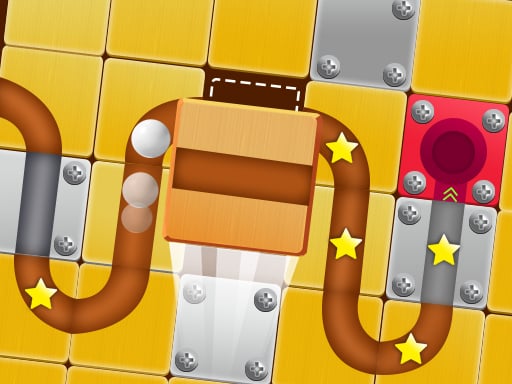
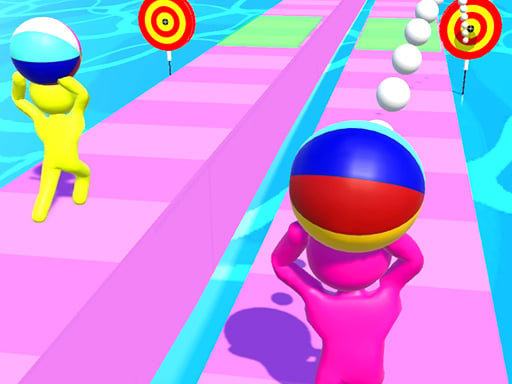
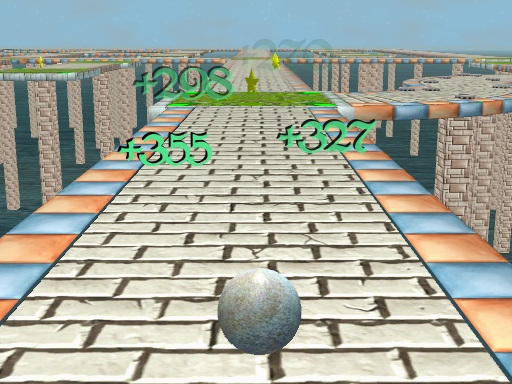
Ball games are a broad category built around moving, bouncing, or propelling a ball toward a target or goal. Often players control a paddle, racket, or character to keep the ball in play. The genre spans pinball, breakout clones, sports simulations, and physics puzzlers alike. online ball games offer quick rounds that test reflexes and timing.
Last Updated:
The Basics: Ball games
Immediately launch into a round, aim your paddle or racket at the ball, keep it from falling out of bounds, and score by hitting targets or goals.
Gameplay Loop
Each round starts with the ball in motion, and the player must react quickly to angles, speed changes, and environmental bounces that alter the trajectory unexpectedly. physics ball games rely on real-time collision calculations, so every hit sends the ball along a new path, forcing the player to reposition and anticipate rebounds before they happen. Consistent repetition of this loop builds muscle memory, and arcade ball games reward players who maintain long rallies without letting the ball escape the field of play.
Winning Tactics
Focus on positioning the paddle or racket early so the ball meets a clean surface rather than a desperate late save. Remember that many mobile ball games use simple one-button or tilt controls, so practice consistent timing rather than complex inputs. Watch the ball angle off walls and plan the return path before the ball arrives at the player. Avoid panicking when the speed increases, since steady reactions outperform rushed swings in most ball-based titles.
Common Questions: Ball
Q: What controls are used in ball games? A: Paddle or racket movement via button, touch, or tilt input. Q: What is the main objective? A: Keep the ball in play and score by hitting targets or goals. Q: Are power-ups included? A: Not stated. Q: What is the core mechanic? A: Timing hits to control ball trajectory and bounce angles.