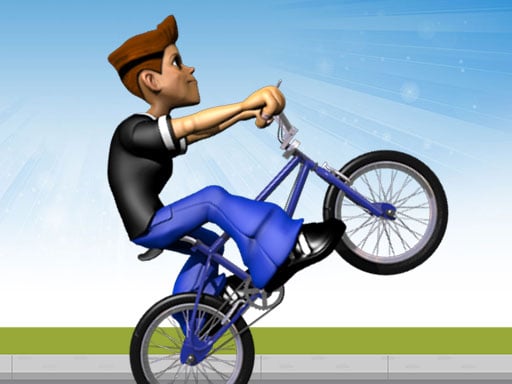
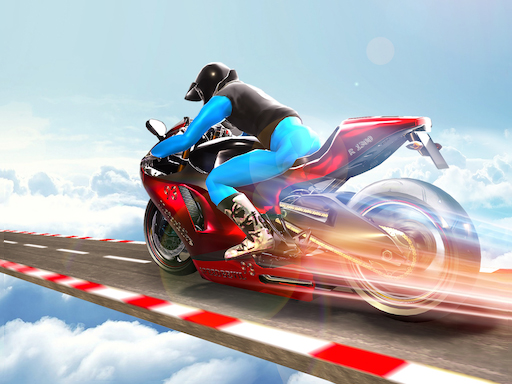
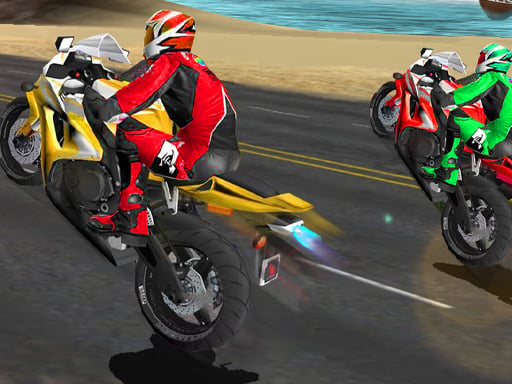
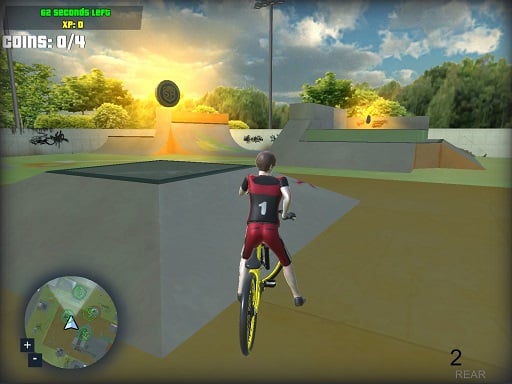
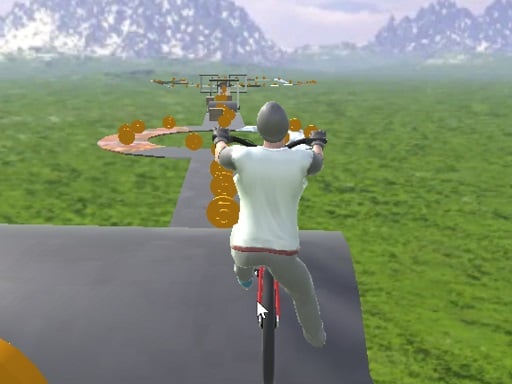
BMX games focus on stunt performance and time trials within skatepark environments. The genre typically requires precise control over balance, speed, and mid-air rotation. Players often chain tricks together to maximize scoring potential while maintaining momentum. This genre of BMX stunt games rewards repetition and mastery of basic physics interactions.
Last Updated:
The Basics: BMX games
Immediately execute a ride by using directional inputs to steer and accelerate the bike through the course while performing tricks to score points.
Gameplay Loop
The core loop involves navigating obstacle courses, approaching ramps, and initiating jumps to perform aerial maneuvers like flips and spins. BMX racing games often require maintaining speed through corners and avoiding obstacles to finish courses quickly. Players must manage momentum to link tricks into combos, which is a standard mechanic in BMX trick games to achieve high scores. The cycle repeats as the player restarts attempts to improve times or scores, focusing on consistency and route optimization.
Winning Tactics
Practice balancing the bike during landing to avoid crashing and losing speed. Use the environment to build momentum before hitting large ramps for bigger air. BMX physics games demand that you anticipate turns and adjust throttle to prevent wiping out on obstacles. Remember to watch the replay to analyze mistakes and refine your approach for the next run.
Common Questions: BMX
Q: What are the typical controls? A: Controls usually involve steering, accelerating, braking, and inputting specific commands to perform tricks in the air. Q: What is the main objective? A: The objective is typically to complete a course, achieve a high score, or finish a race within a time limit. Q: Is there multiplayer? A: Multiplayer functionality is not stated as a defining trait of the genre, though some titles may include it. Q: What defines the core mechanic? A: The core mechanic is balancing the bike and performing tricks while managing speed and momentum.