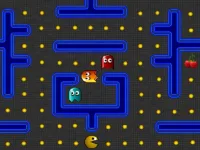
The landscape of browser-based entertainment consists of rapid-fire sessions built on core HTML5 technology. These titles load instantly without requiring extensive downloads or dedicated hardware specifications. Players often engage with arcade html5 games that focus on reflex-based inputs and immediate feedback loops. The design philosophy prioritizes accessibility and quick iteration over complex narrative structures.
Last Updated:
The Basics: crazy games html5 games
Immediately execute actions using standard input methods to achieve the objective, manage obstacles, and accumulate the highest score possible.
Gameplay Loop
Often, the player must navigate a dynamic environment while reacting to changing conditions that test precision and timing. Typical mechanics involve avoiding obstacles while collecting items to increase the score or extend the session duration. This cycle of rapid reaction and immediate reset defines the core loop of browser games. Success relies on pattern recognition and the ability to adapt to escalating difficulty. High scores serve as the primary metric for progress in these skill games.
Winning Tactics
Remember that consistency is more valuable than occasional bursts of high performance. Focus on minimizing errors rather than maximizing speed during the initial attempts. Patience allows for better observation of obstacle patterns before committing to a movement. Over time, muscle memory will replace conscious thought regarding standard inputs.
Common Questions: crazy games html5
Q: What are the standard controls for these titles? A: Controls vary but typically involve keyboard arrows, WASD keys, or mouse clicks. Q: What is the main objective of these games? A: The goal is usually to survive as long as possible or reach a specific score. Q: Do these games feature complex narratives? A: Most titles focus on immediate gameplay rather than deep storytelling elements. Q: How does the difficulty progression work? A: Speed and obstacle frequency usually increase as the session continues.