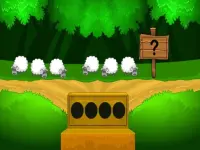
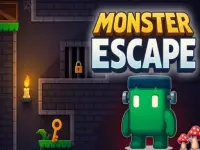
Escape games challenge players to solve puzzles and find hidden objects to break free from locked rooms. The genre focuses on logic and observation rather than action or reflexes. Often players must interact with the environment using a mouse or touch input to progress. These escape games typically require finding keys and codes to unlock doors and chests.
Last Updated:
The Basics: Escape games
Players use a mouse to click on objects, select items, and combine inventory items to solve puzzles, immediately searching rooms for clues, keys, and hidden switches in these escape games.
Gameplay Loop
The core loop involves scanning a static environment for interactive hotspots and collectible items that can be used to bypass locked mechanisms and progress forward. Players must analyze the room for patterns and logical connections between objects and clues to determine the correct sequence of actions. The cycle continues with using found items to unlock new areas or containers, revealing further puzzles that require the same deductive process until the final exit is reached, which is the standard objective for all escape games.
Winning Tactics
Systematically search every area of the room, noting anything that looks out of place or interactive. Remember to combine inventory items only when the context of a puzzle suggests a logical match. If stuck on a specific puzzle, backtrack to previous areas to see if a clue was missed or a mechanism was not yet triggered. Avoid random clicking and instead apply logical deduction to every interaction to ensure steady progress.
Common Questions: Escape
Q: What are the standard controls? A: Controls are usually point-and-click with a mouse or tap on touchscreens. Q: What is the main objective? A: The objective is to find the exit or escape the room by solving all puzzles. Q: Is there a map system? A: Not stated. Q: What is the primary mechanic? A: The primary mechanic is collecting items and using them on specific hotspots to unlock progress.