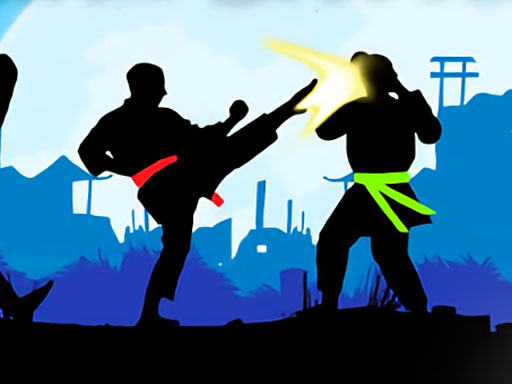
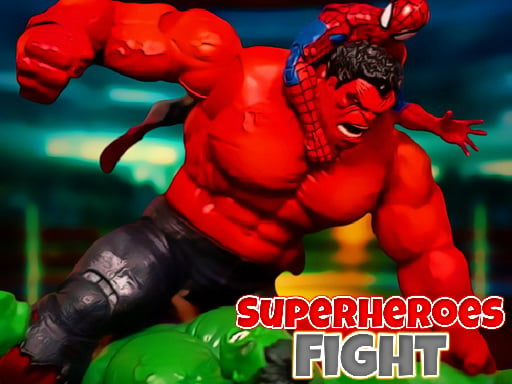
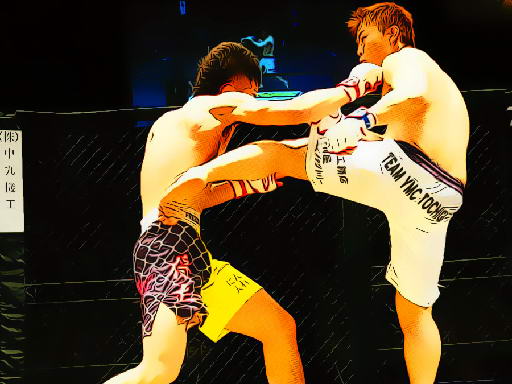
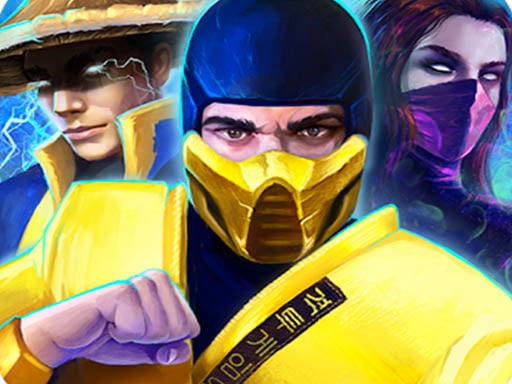
Fight games require players to control a character to defeat opponents using strikes and blocks. Players often manage health bars and execute combo chains to deplete an opponent's life. The genre emphasizes direct combat mechanics and reaction speed over exploration. Many titles feature competitive multiplayer modes alongside single-player training options to build skill.
Last Updated:
The Basics: Fight games
Players execute actions by pressing buttons to punch, kick, or block incoming attacks, immediately using movement inputs to close distance, manage spacing, and land strikes while avoiding damage to win rounds.
Gameplay Loop
The core loop involves facing an opponent, reading their movements, and choosing the correct defensive or offensive response to maintain control of the match. Players must manage their character's health and meter resources efficiently to maximize damage output during specific attack windows. Successful execution of these sequences in fighting games leads to victory, while mistakes result in taking damage and losing ground.
Winning Tactics
Practice basic attack combinations until they are automatic to reduce mental load during matches. Observe opponent patterns and punish unsafe moves with your strongest available counter-attacks. Remember to prioritize blocking and movement over reckless aggression to preserve your health pool. Use training modes to refine timing on specific move inputs before competing against others.
Common Questions: Fight
Q: What are the standard controls? A: Inputs typically use directional pads or sticks combined with punch and kick buttons. Q: What is the main objective? A: The goal is to reduce the opponent's health to zero within a time limit. Q: Are there blocking mechanics? A: Yes, blocking is a core defensive feature used to mitigate incoming damage. Q: How is damage calculated? A: Damage depends on the specific attack used and the opponent's current defensive state.