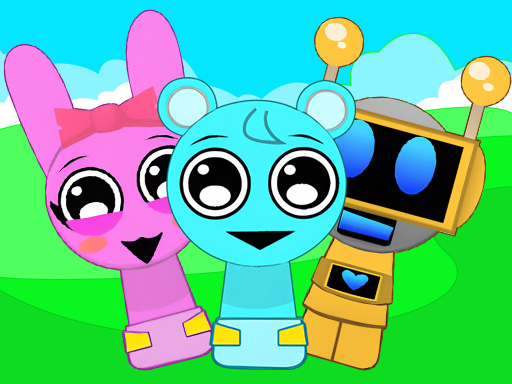
Music games test rhythmic precision and timing against a persistent beat. Players match inputs to visual cues scrolling across the screen. This genre focuses on auditory synchronization and fast finger reactions. The core loop involves playing music games to hit notes accurately.
Last Updated:
The Basics: Music games
Immediately press the correct buttons or keys in time with the music, follow the scrolling notes, and maintain rhythm accuracy to achieve a high score.
Gameplay Loop
The player watches a lane where notes descend toward a target line, requiring constant focus and anticipation of upcoming patterns. Input timing determines score multipliers, with sustained accuracy building combo chains that directly impact the final result and ranking. Many rhythm games feature visual feedback like hit judgments and particle effects to confirm successful inputs. The environment typically includes loud audio and dynamic lighting to enhance the sensory experience. Players often use specialized controllers or keyboards to execute precise sequences. This creates a repetitive but demanding cycle of observation and reaction. The core of the genre is matching physical actions to auditory cues. This loop defines the standard rhythm action game experience.
Winning Tactics
Remember that consistent practice is the only path to mastery in these titles. Focus on the audio track rather than just the visual elements to improve timing. Use a stable controller setup to minimize input lag during play. Analyze your misses to identify specific rhythmic weaknesses.
Common Questions: Music
Q: What controls are used? A: Standard inputs involve pressing buttons or keys in sync with visual cues. Q: What is the main objective? A: The goal is to hit notes accurately to maximize score and maintain rhythm. Q: Is there a story? A: Specific narratives are not stated, focusing instead on musical performance. Q: What is the core mechanic? A: The primary mechanic is matching timed inputs to a scrolling sequence of notes.