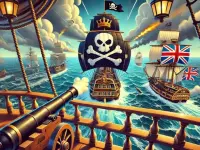
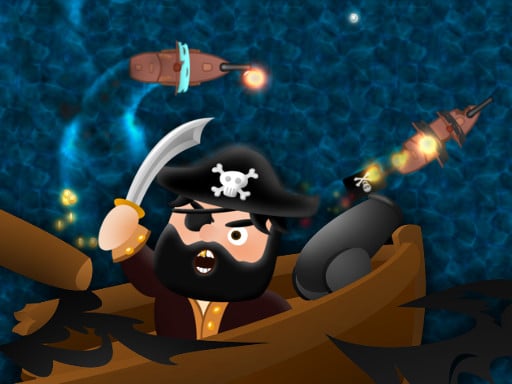
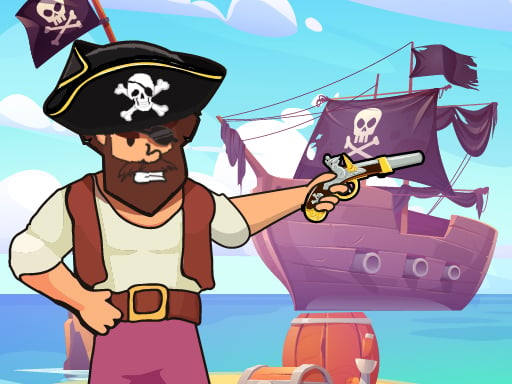
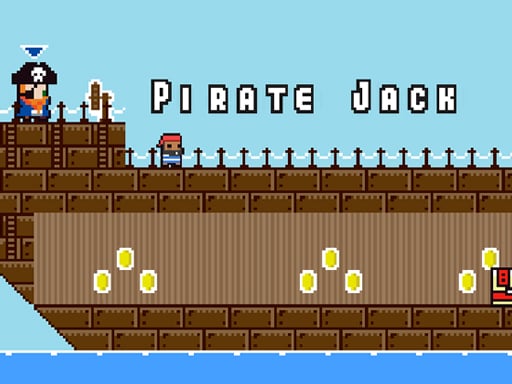
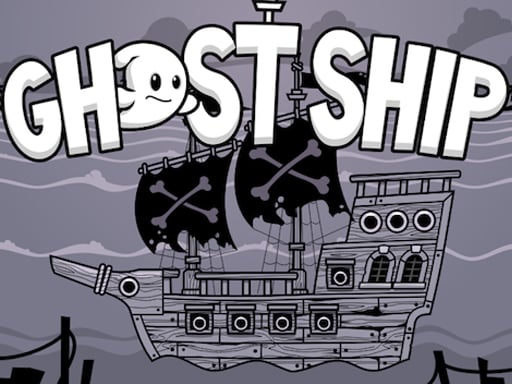
Pirate games place players at the helm of a ship, managing resources and seeking treasure. The genre typically involves sailing across open waters and engaging in naval combat. Players often loot vessels and sell plundered goods to upgrade their fleet. This establishes a core loop for pirate adventure games.
Last Updated:
The Basics: Pirate games
Players navigate a world map, immediately engaging in ship-to-ship combat, collecting loot from defeated foes, and managing crew morale to survive the harsh seas.
Gameplay Loop
The primary objective involves sailing between ports to trade goods, plundering merchant ships for resources, and upgrading vessel stats like speed and armor. Players must manage food and water supplies while navigating random weather events that affect sailing speed and combat effectiveness during voyages. Common mechanics include aiming broadside cannons, boarding enemy ships for hand-to-hand fights, and repairing damage between encounters. Successful captains build a reputation that unlocks new trade routes for naval combat games and ship management games.
Winning Tactics
Focus on upgrading hull integrity before pursuing risky engagements against larger vessels. Always check the wind direction before starting a chase to maximize speed advantage. Remember to keep supplies stocked to avoid morale penalties during long voyages. Prioritize plundering cargo holds over sinking ships to maximize profit in pirate trading games.
Common Questions: Pirate
Q: How do players control their ship? A: Navigation uses map movement, and combat requires aiming cannons and managing crew positions. Q: What is the main objective? A: The goal is to amass wealth by trading goods and looting other ships. Q: Is there a specific story or named characters? A: The genre generally focuses on procedural events rather than specific narratives. Q: What is the core gameplay mechanic? A: The core mechanic involves managing ship stats and engaging in real-time naval combat.