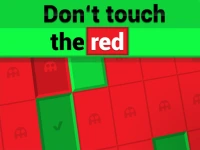
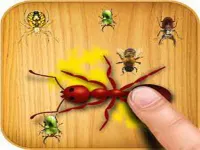
Touch games rely on direct screen interaction, where the player controls everything with a single finger. Often the interface is minimal, removing complex menus to keep the focus on rapid input. Basic mobile action games usually demand quick reflexes and precise timing to progress. The design prioritizes accessibility, allowing sessions to start instantly without lengthy setup.
Last Updated:
The Basics: touch games
Immediately place the object, tap the target, or swipe to move the character, then repeat the action, manage the timer, and react to the screen instantly.
Gameplay Loop
The core loop involves constant input and immediate feedback, where every swipe or tap directly influences the game state. Players must maintain rhythm while avoiding obstacles, collecting items, or matching patterns across the screen. tap puzzle games often require solving sequences quickly, while swipe arcade games focus on dodging hazards and maintaining momentum through endless runs.
Winning Tactics
Remember to keep the fingers light and the movements precise to avoid accidental inputs. Focus on the center of the screen where most action happens. Patience is key; rushing often leads to missed targets or wasted moves. finger skill games reward consistency over brute force, so develop a steady rhythm rather than erratic tapping.
Common Questions: touch
Q: What are the controls? A: One-finger input including taps, swipes, and holds. Q: What is the main objective? A: Survive, score points, or solve puzzles. Q: Is multiplayer supported? A: Not stated. Q: What is the main mechanic? A: Direct screen interaction for movement and actions.