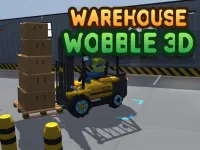
Unity games cover a wide range of genres built on the Unity engine, from 2D platformers to 3D adventures. Often they share common traits like responsive controls and physics-based interactions that define the experience. The engine supports PC, mobile, and console platforms equally well. Many unity engine games feature real-time rendering and cross-platform compatibility.
Last Updated:
The Basics: unity games
Players navigate characters through environments, collect items, and overcome obstacles using standard movement and action inputs, immediately engaging with core mechanics like jumping, shooting, or building.
Gameplay Loop
Core gameplay typically involves traversing levels, solving environmental puzzles, and defeating enemies or completing objectives to progress through increasingly complex stages. Many 3d action games built with Unity feature physics-based movement, dynamic lighting, and real-time shadow rendering that affect how players approach each scenario. The engine's versatility allows indie adventure games to combine platforming, combat, and exploration into cohesive experiences that reward skillful play and pattern recognition.
Winning Tactics
Mastering movement timing and spacing is essential for navigating hazards and reaching distant platforms effectively. Players should experiment with different approaches to obstacles, as multiple solutions often exist for any given challenge. Remember that many mobile puzzle games built with Unity require precise input timing for success. Practice each mechanic individually before combining them in complex sequences.
Common Questions: unity
Q: What controls do these games use? A: Standard keyboard, mouse, or touch inputs depending on platform. Q: What is the main objective? A: Complete levels, defeat enemies, or solve puzzles to progress. Q: Are there multiple play modes? A: Not stated. Q: What is the core mechanic? A: Movement, physics interactions, and combat or puzzle-solving.