


Fast-Paced Thrills in the Moto Hypercasual Game
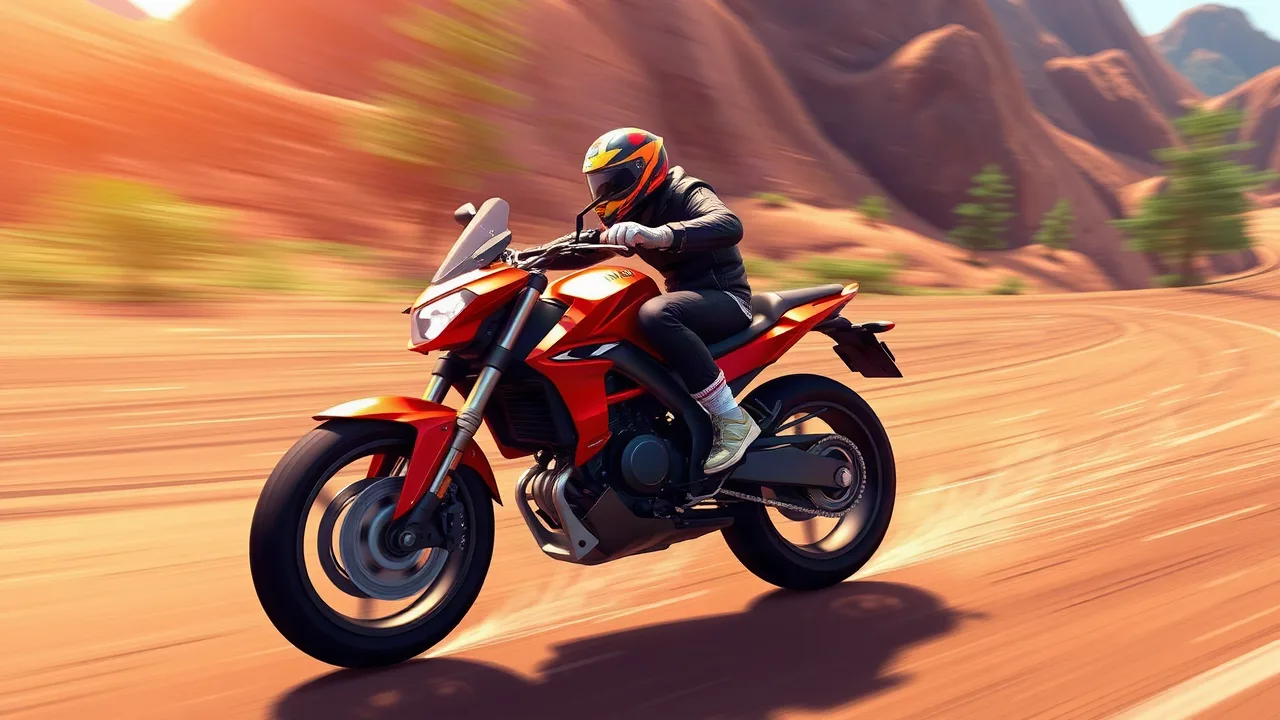
Moto is a hypercasual driving game that puts you in the saddle of a fast-moving motorcycle, challenging you to navigate tricky terrain, dodge obstacles, and keep your balance at high speed. Built around quick sessions and simple controls, it delivers the kind of pick-up-and-play fun that fits perfectly into a busy day. This page breaks down what the game offers, how it plays, and why it earns a spot in any collection of free online games you keep coming back to.
What Makes Moto a Standout Hypercasual Ride
Hypercasual games live or die by how quickly they hook you, and Moto nails that first impression. You are on a bike almost immediately, leaning into turns and reacting to whatever the track throws at you. There is no long tutorial or complicated menu system to wade through. The appeal is straightforward: ride, react, and try to go further than last time.
What separates a memorable hypercasual title from a forgettable one is the feel of the core loop. In Moto, every successful stretch of road feels earned, and every crash teaches you something small about timing or balance. That gentle learning curve keeps sessions satisfying whether you have two minutes or twenty.
Simple Controls With Surprising Depth
Like most entries in the hypercasual category, Moto leans on a control scheme you can learn in seconds. Taps or tilts handle acceleration, braking, and leaning, keeping your attention on the road instead of the interface. That accessibility is deliberate — it lowers the barrier so anyone can jump in and start riding.
Simple does not mean shallow, though. Mastering lean angles, judging when to ease off speed, and reading the terrain a moment ahead all add layers for players who want to push their scores higher. The controls stay out of the way while the skill ceiling quietly rises.
Session Pace Built for Short Breaks
One of the strongest reasons to keep Moto installed or bookmarked is its session design. Runs are short by nature, which makes the game a natural fit for a commute, a queue, or a quick breather between tasks. You can start a run, have a genuine challenge, and finish feeling like your time was well spent.
The pacing also rewards return visits. Because each attempt is brief, it is easy to squeeze in "one more run" without it ballooning into an hour. That rhythm is exactly what makes hypercasual games so hard to put down.
Why the Motorcycle Theme Works So Well
Motorcycles bring an inherent sense of speed and risk that translates beautifully to quick gameplay. Leaning into a corner, catching air over a bump, or narrowly threading past an obstacle all feel dramatic even in a simplified visual style. The theme does a lot of heavy lifting in making each moment feel exciting.
It also gives the game a clear identity. Rather than a generic runner or puzzle, Moto gives players a specific fantasy: being a skilled rider pushing limits. That focus keeps the experience tight and memorable.
What Kind of Player Will Enjoy It Most
This game is ideal for players who value immediacy over complexity. If you enjoy games where the fun starts instantly and every attempt feels different based on your own reflexes, Moto will land well. It suits people who like chasing personal bests rather than following long progression systems.
It also works well for anyone building a rotation of browser games to play on a laptop or tablet. Because sessions are quick and controls are light, it slots neatly alongside other casual titles without demanding a big time commitment.
How Skill Builds Across Attempts
Progress in Moto is mostly personal rather than systemic. You are not unlocking new bikes or story chapters — you are sharpening your own timing, reading terrain faster, and recovering from mistakes more cleanly. That kind of skill growth is deeply satisfying because the improvement is entirely yours.
Early runs might end quickly as you learn the rhythm of acceleration and balance. After a handful of attempts, you will start noticing patterns in how obstacles appear and how your bike responds. That moment when things click is one of the best feelings in hypercasual gaming.
Fitting Moto Into Your Gaming Routine
Because it belongs to the hypercasual category, Moto plays nicely with a busy schedule. It does not demand daily logins, long cutscenes, or complex setups. You open it, ride, and close it whenever you want — no guilt, no lost progress.
That flexibility makes it a great companion game. Many players keep a small set of go-to titles for downtime, and a fast motorcycle runner is a natural addition to any game library. It fills those in-between moments perfectly.
Tips for Getting More Out of Each Run
Start by focusing on smooth inputs rather than raw speed. Jerky steering and panic braking tend to cause more crashes than difficult terrain does. Let the bike flow through turns and reserve aggressive moves for moments you can read clearly.
Second, watch a few meters ahead instead of staring at the front wheel. Anticipating what is coming gives you time to adjust your line or speed before it becomes urgent. Finally, treat early crashes as information — each one shows you exactly where your timing slipped, and that knowledge compounds fast across attempts.
| Feature | Details |
|---|---|
| Gameplay style | Fast-paced motorcycle riding with quick, reflex-driven runs |
| Likely controls | Simple tap or tilt inputs for speed, braking, and leaning |
| Session pace | Short runs ideal for quick play breaks |
| Device fit | Works well on phones, tablets, and desktop browsers |
| Category focus | Hypercasual — easy to start, hard to master |
| Skill growth | Timing, balance, and terrain reading improve with practice |
FAQ
What kind of game is Moto?
Moto is a hypercasual motorcycle game focused on fast reflex-based riding, quick sessions, and beating your own best runs.
Do I need to download anything to play?
No. It runs directly in your browser, so you can start riding without installing a separate app.
Is the game beginner-friendly?
Yes. Controls are simple enough to pick up immediately, while still offering room for skilled players to refine their technique over time.
How long does a typical run last?
Runs are short by design, making the game a good fit for brief play sessions whenever you have a spare moment.
Does it work on mobile devices?
Yes. The lightweight controls and quick pace translate well to phones and tablets as well as desktop play.