


Mastering Your First Moves in strategy game
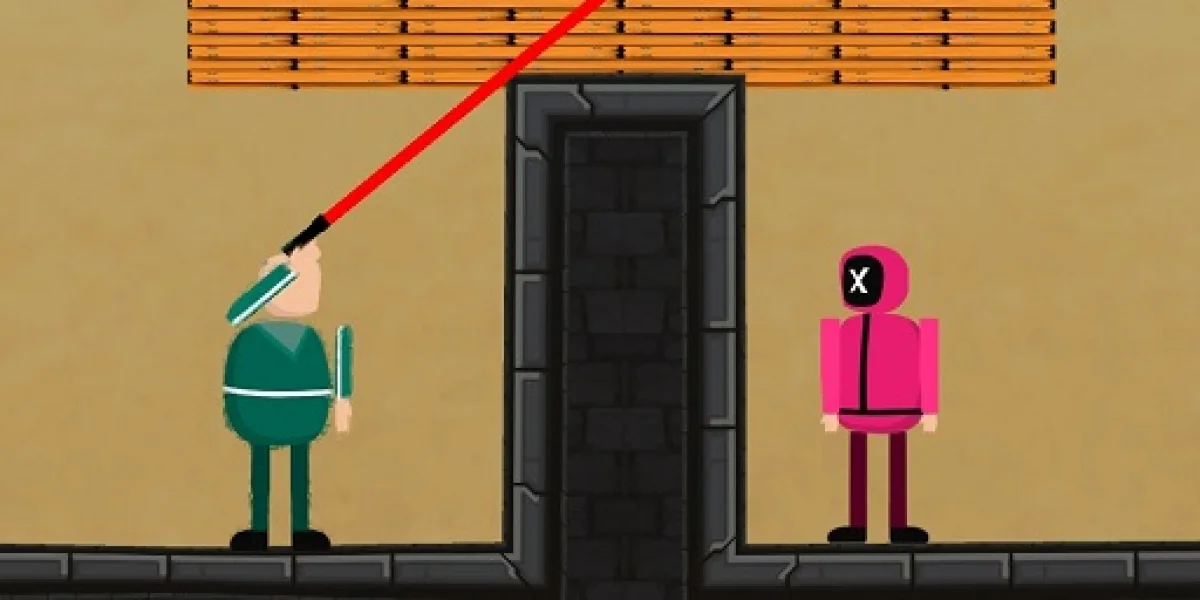
strategy game is a focused experience that invites players to think ahead, plan carefully, and act with purpose. On this page, you will find practical guidance to help you start strong, understand core mechanics, and make confident decisions during play. The content explains how to approach early turns, manage resources, and read the flow of a match so you can enjoy the challenge without feeling overwhelmed. If you are new to strategy play, this guide offers clear steps, while experienced players can still pick up useful habits. It also highlights the playful loop that keeps sessions engaging, from setup to victory, so you can jump in and enjoy the game right away.
Players who enjoy planning several moves ahead and mastering tactical depth will find plenty to love in this category. Whether you prefer real-time decision making or turn-based control, exploring the strategy game collection lets you test your wit against clever AI and challenging scenarios that reward careful thinking.
Every strategy session revolves around a simple loop: plan, act, and learn. You begin by assessing the situation, then make moves that shape the board or battlefield, and finally observe how those choices play out. The key to success is balancing short-term gains with long-term positioning. Look for small advantages that add up over time, such as controlling key areas or securing resources that enable future plays. Pay attention to timing, because moving too quickly can leave you exposed, while waiting too long may let your opponent set up a strong defense. When you focus on the loop, you build habits that make each decision clearer and more reliable.
Set clear goals for each session
Before you make your first move, decide what a good turn looks like. A clear goal helps you avoid indecision and keeps your attention on the actions that matter most. Start simple: choose one objective for the opening phase, such as establishing a safe position, building a basic resource flow, or claiming a useful space. As the game progresses, update your goals based on what you see on the board. This approach keeps your decisions consistent and reduces the chance of costly mistakes. Goals also help you learn faster because you can measure results against what you planned and adjust for the next session.
Plan your opening moves with confidence
Good openings set the tone for the rest of the match. Begin by looking for safe, flexible moves that give you options rather than lock you into a single path. Focus on moves that build a foundation for later turns, like securing a stable position or creating a simple resource engine. Avoid overextending early, since that can leave you vulnerable to counterplay. If you can, choose moves that give you information about the board state or your opponent’s intentions. A calm, steady opening helps you stay in control and makes it easier to adapt as the game evolves. Practice a few opening patterns until they feel natural.
Read the board and make smart decisions
Reading the board means understanding what each area or element offers and how it affects future choices. Look for patterns, such as clusters of useful spaces or routes that connect important points. Notice what your opponent is trying to do and consider how you can disrupt their plan without hurting your own position. Small details matter: a single well-placed move can open new opportunities or close off threats. Try to think one step ahead, but keep your plan flexible so you can react to surprises. With practice, reading the board becomes faster and more intuitive, letting you make confident decisions under pressure.
Manage resources and time wisely
Resource management is a core skill in strategy play. Treat every action as a trade, and ask whether the payoff is worth the cost. If the game includes points, energy, or other metrics, use them to guide your decisions and avoid wasting moves. Time is also a resource: turns pass quickly, and waiting too long can let your opponent seize momentum. Balance patience with timely aggression so you stay active and relevant throughout the match. Build habits that keep your resource flow steady, such as making small, consistent gains instead of chasing risky spikes. Over time, these habits lead to stronger finishes and more reliable results.
Practice and refine your approach
Improvement comes from deliberate practice and thoughtful reflection. After each session, review a few key moments: what worked, what did not, and what you would try next time. Keep your notes simple and focused on patterns rather than single events. Try experimenting with different opening choices or resource strategies to see how they affect outcomes. Play regularly, but avoid grinding without purpose; short, focused sessions are often more effective than long, unfocused ones. As you refine your approach, you will find that decisions feel easier and the game becomes more enjoyable. The goal is steady growth, not perfection, so celebrate small wins along the way.
Play with a friendly and positive mindset
A positive mindset makes strategy play more fun and helps you stay sharp. Treat each match as a chance to learn, not just a contest to win. If a move does not work out, take a breath and focus on the next decision. Keep your attention on the board and the choices you can control, rather than worrying about outcomes. Celebrate clever plays from your opponent as well as your own, because good competition helps everyone improve. When you play with curiosity and patience, you build resilience and enjoy the process more. This friendly approach keeps sessions engaging and encourages you to return for another round.
| Feature | Details |
|---|---|
| Gameplay style | Turn-based planning with forward thinking and resource balance |
| Likely controls | Simple point, click, or tap actions for placing and moving |
| Session pace | Flexible; players can take time to plan each move |
| Device fit | Works well on desktop and mobile browsers |
| Category focus | Strategy game that rewards careful choices and steady play |
FAQ
Is this game easy to learn for beginners? Yes, the rules are approachable, and this guide helps you start with clear goals and simple habits that build confidence over time.
Do I need special equipment or downloads to play? No, you can play directly in your browser without any additional installs or setup.
How long does a typical session last? Sessions vary, but you can enjoy short rounds or longer matches depending on your pace and goals.
Can I improve quickly by following these tips? You can expect steady improvement by practicing the core loop, setting goals, and reviewing your decisions after each match.
Where can I play the game now? You can start playing by visiting the strategy game page and jumping into a match.
Discover even more engaging browser strategy games and endless fun by visiting CrazyGames.com.es | Instant Free HTML5 Games CrazyGames.com.es | Instant Free HTML5 Games.