


Racing Meets cooking games in This Fun Challenge
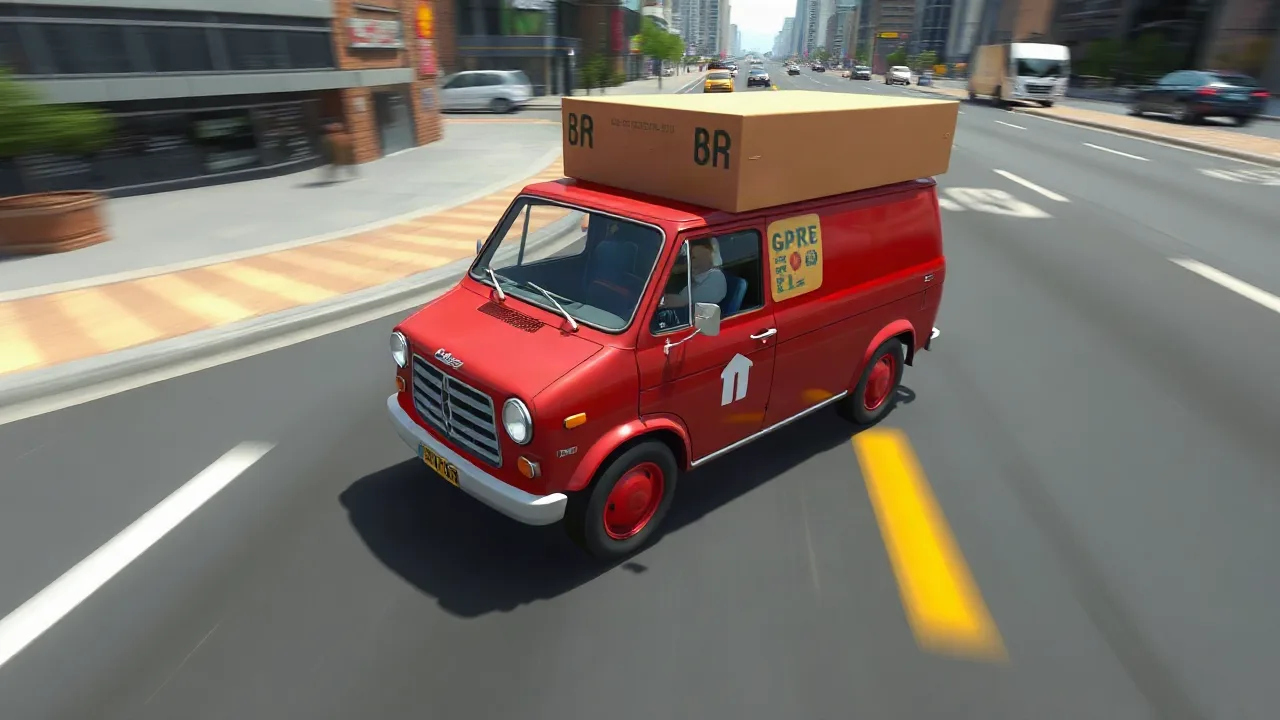
cooking games is a fast-paced racing game that puts players behind the wheel of a delivery vehicle on a busy city circuit. The goal is simple: reach each checkpoint before time runs out while keeping your cargo intact through sharp turns and sudden stops. This page gives you a clear look at what the game offers, how it plays, and why it is worth a try if you enjoy quick, skill-based challenges.
What Makes cooking games Stand Out
The appeal of this title comes down to its blend of driving precision and time pressure. Every route demands careful throttle control, quick lane changes, and smart braking. Unlike longer racing experiences, sessions here are short and focused, which makes it easy to jump in for a few rounds or settle in for a longer run.
What separates it from generic driving challenges is the added layer of cargo management. You are not just chasing a finish line; you are balancing speed against stability. That tension keeps each run engaging and gives skilled players a reason to refine their technique.
Core Gameplay Loop
The loop is straightforward. You select a route, start the timer, and drive toward a series of checkpoints. Along the way you navigate traffic, avoid obstacles, and manage your speed through tight corners. Reaching a checkpoint extends your time, while crashing or losing momentum costs you precious seconds.
Each successful run feeds into the next. Faster times unlock harder routes, and cleaner driving earns better scores. The structure rewards consistency over raw speed, so players who learn the tracks tend to outperform those who simply floor it from the start.
Controls and Handling
Handling is tuned for accessibility without sacrificing depth. Acceleration and braking respond immediately, and steering feels tight enough to make small corrections matter. On desktop, arrow keys or WASD cover the essentials. On touch devices, on-screen buttons handle throttle, brake, and direction.
The learning curve is gentle in the opening minutes but steepens quickly on advanced routes. Mastering handbrake turns, understanding when to coast, and knowing how much speed a corner can absorb are skills that separate casual players from consistent high scorers.
Track Design and Route Variety
Routes vary in length, layout, and difficulty. Some favor long straights where top speed matters most, while others are built around technical sequences of tight bends and sudden elevation changes. Urban sections introduce traffic and narrow lanes, while open stretches reward clean lines and good timing.
Route variety keeps the experience from feeling repetitive. Players who prefer technical challenges will gravitate toward winding paths, while those who enjoy raw speed can focus on the straighter circuits. The mix ensures there is always a reason to try one more run.
Scoring and Progression
Scores are calculated from completion time, checkpoint efficiency, and driving cleanliness. Crashes and missed checkpoints add penalties, so a flawless run at a moderate pace often beats a reckless sprint. This system encourages players to learn routes rather than memorize shortcuts alone.
Progression comes through improved personal bests and access to more demanding routes. There is no artificial grind; the challenge scales naturally as your skills improve. That makes every session feel productive, whether you are chasing a new record or simply trying to finish a tough course.
Strategy Tips for Better Runs
Start each route conservatively. Learn the layout before pushing for speed, and focus on hitting checkpoints cleanly rather than taking risky lines. Brake early into corners and accelerate out smoothly; late braking looks faster but usually costs time through the exit.
Watch your cargo stability indicator if one is present, and treat it as a guide for how aggressively you can corner. Consistent driving beats erratic bursts of speed. Over several runs, small improvements in cornering and timing add up to meaningful score gains.
Why Players Keep Coming Back
The short session length makes this game easy to fit into a busy day. A single run takes only a few minutes, but the skill ceiling keeps experienced players engaged for much longer. That combination of accessibility and depth is what gives the title its replay value.
Players who enjoy free online games will appreciate how quickly they can get started. There is no lengthy setup or complex tutorial to wade through. You load in, pick a route, and begin driving. It is a clean, focused experience built around one core idea: drive well, beat the clock.
Who This Game Is Best For
This title suits players who enjoy time-attack challenges, precision driving, and quick sessions with clear goals. It is a strong pick for anyone who likes measurable improvement, since every run offers a chance to shave seconds off a personal best.
If you prefer games that reward patience and route knowledge over reflex-heavy action, this one delivers. It also works well as a casual option for players who want something engaging without a steep initial investment of time.
| Feature | Details |
|---|---|
| Gameplay style | Time-attack driving with checkpoint objectives |
| Likely controls | Arrow keys, WASD, or on-screen touch buttons |
| Session pace | Short runs with quick restarts |
| Device fit | Desktop and mobile friendly |
| Category focus | Racing and driving skill |
FAQ
Is cooking games free to play?
Yes, you can jump into a run without any cost. It is one of many browser games available for instant play.
Does it work on mobile devices?
The game is designed to run smoothly on both desktop and mobile, with touch controls available for phones and tablets.
How long does a single run take?
Most routes complete in a few minutes, making it easy to play in short sessions or chain several runs together.
Do I need to create an account?
No account is required. You can start playing right away and focus on improving your times.